
The Best way to Clean House Cladding (Without Damaging It) is Soft Washing
House cladding does a lot of heavy lifting. It protects your home from weather, moisture, heat, and pests, and it plays a big role in how your place looks from the street. But on the Central Coast, cladding doesn’t stay clean for long.
Salt air, humidity, shade, rain, and organic growth like mould and algae all build up over time. What starts as a bit of discolouration can quickly turn into stubborn grime that won’t wash off with a hose.
One of the biggest mistakes we see homeowners make is thinking more pressure equals a better clean. After decades in the industry, we can confidently say the opposite is usually true. High pressure can damage cladding, force water behind walls, and shorten the life of the surface you’re trying to protect.
At Glason High Pressure Cleaning, we take a different approach. For most house cladding, the safest and most effective method is soft washing. It’s not about blasting dirt away. It’s about removing organic growth properly, without damaging paint, coatings, or the cladding itself.
What Is House Cladding?
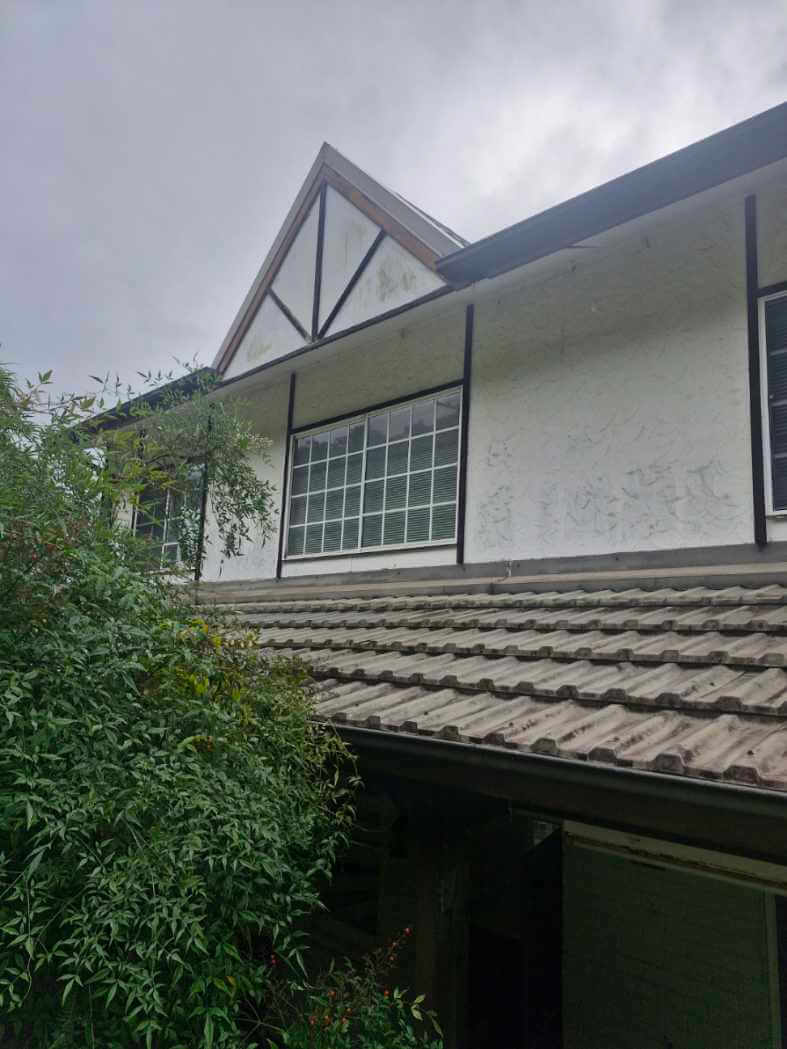
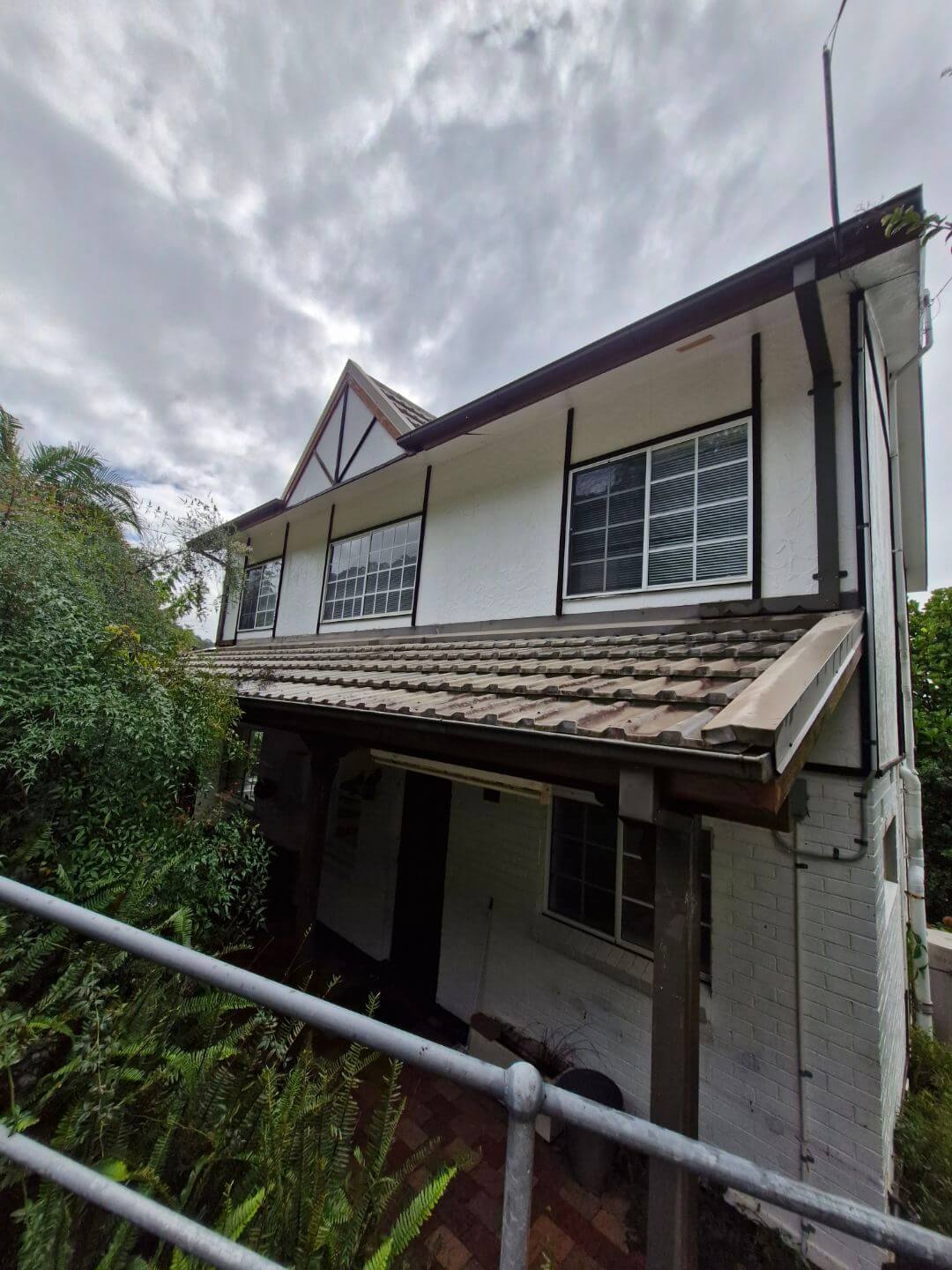
House cladding is the outer layer fixed to the exterior walls of a home. Think of it as the building’s protective skin. It sits over the structural frame and is designed to shield the house from weather, moisture, wind, pests, and everyday exposure to the elements.
Cladding also plays a major role in insulation, helping regulate temperature and reduce noise, and it has a big impact on how a home looks. In many cases, cladding is chosen as much for appearance as it is for performance.
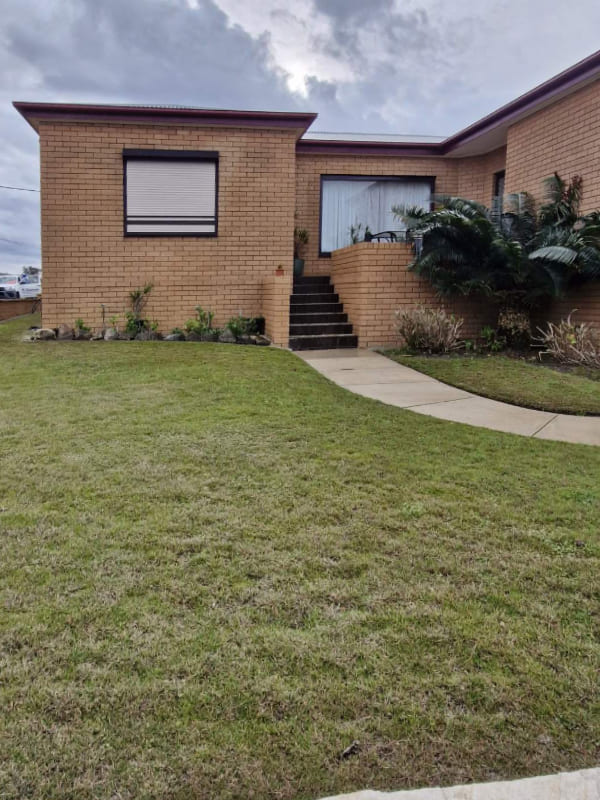
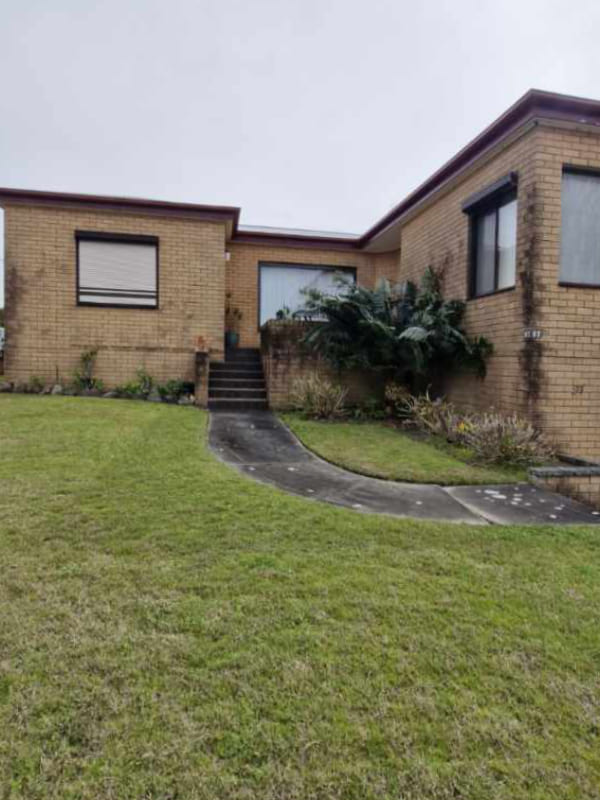
On the Central Coast, we commonly see homes clad in materials such as timber weatherboards, fibre cement, rendered finishes, brick or masonry, and metal or Colorbond-style panels. Each of these materials behaves differently when exposed to moisture, heat, and organic growth, which is why cleaning methods matter.
What’s important to understand is that cladding is a non-structural surface. While it’s built to be durable, it’s not designed to handle aggressive cleaning. High pressure can crack render, lift paint, dent metal panels, or push water behind the cladding where it doesn’t belong.
Proper cleaning isn’t just about improving how your home looks. It’s about protecting the cladding so it can continue doing its job for years to come. Using the right method helps prevent long-term damage, reduces the need for repainting or repairs, and keeps your home looking well maintained.
"Trusted by Central Coast locals for 30+ years".
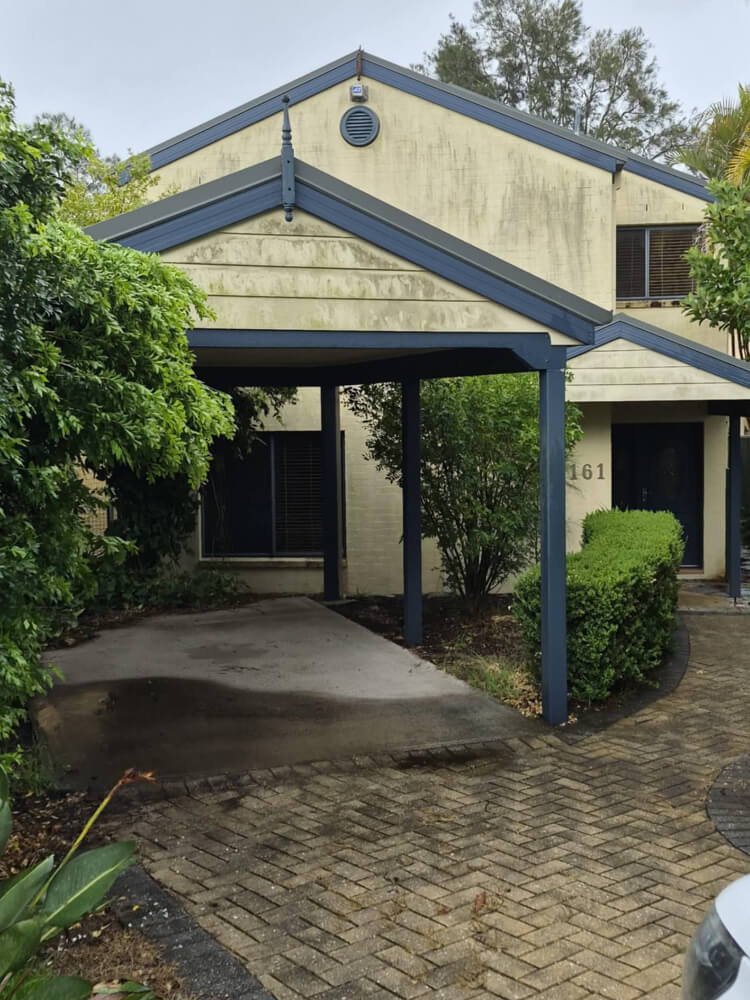
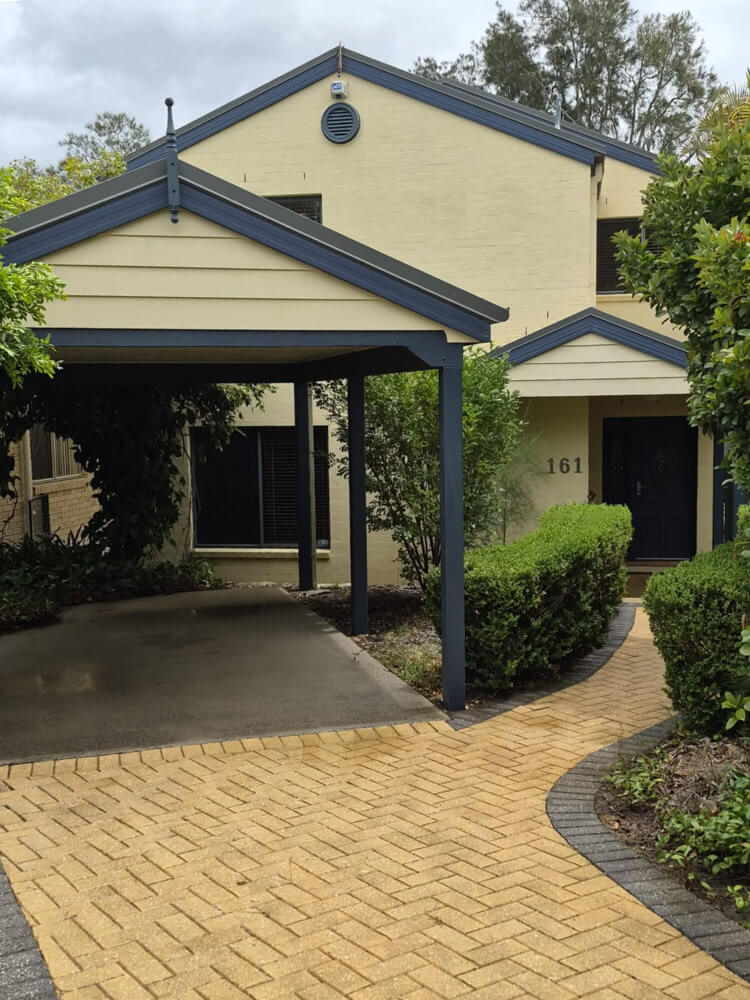
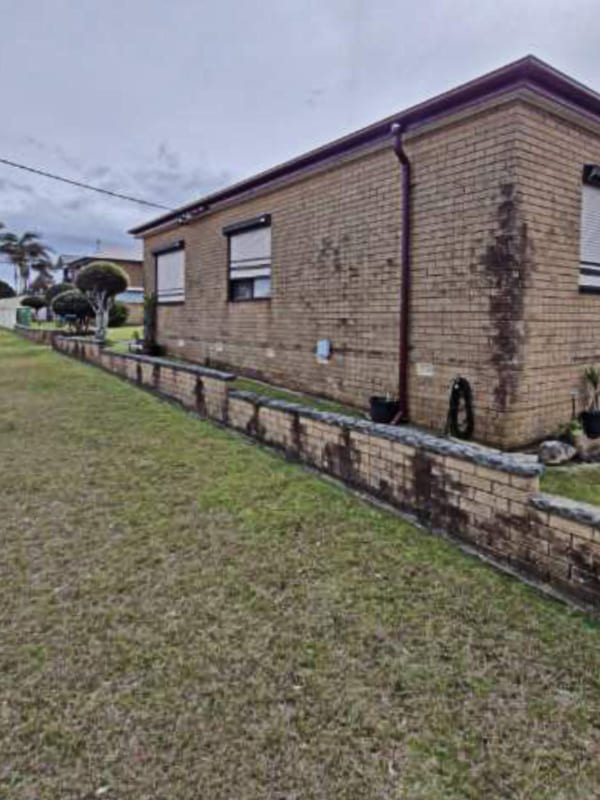
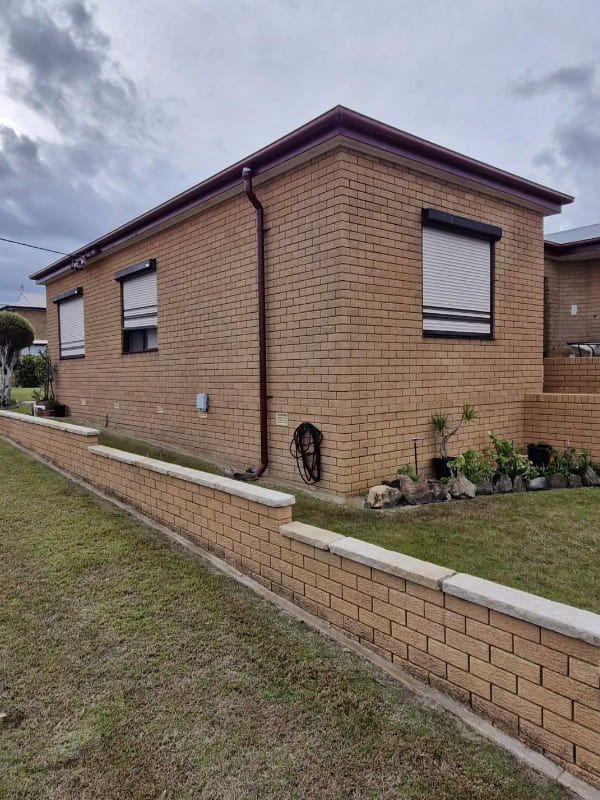
Why High Pressure Is Usually the Wrong Choice for Cladding
High pressure cleaning is often the first thing people reach for, but it’s also one of the quickest ways to damage cladding.
Most cladding materials are designed to protect your home from weather, not from concentrated water pressure. Timber, render, fibre cement, painted surfaces, and metal panels can all be affected if the pressure is too high or the spray angle is too narrow.
Common problems we see after high-pressure washing include:
- Paint lifting or peeling
- Fine cracks forming in rendered surfaces
- Dents or marks in metal cladding
- Water being forced behind the cladding and into wall cavities
There’s also a misconception that pressure washing “solves” mould and algae. In reality, it usually just removes what you can see. The underlying growth often remains, which is why cladding can start to discolour again not long after being cleaned.
Effective cladding cleaning isn’t about force. It’s about treating the surface properly, removing organic growth at its source, and doing it in a way that doesn’t compromise the material or the home itself.
This is why high pressure is rarely our first choice for cladding. In most cases, a soft washing approach delivers a deeper clean with far less risk.
The Best Way to Clean House Cladding: Soft Washing
Soft washing is a low-pressure cleaning method designed for exterior surfaces that can be damaged by high pressure. Rather than relying on force, it uses appropriate cleaning solutions to break down grime, mould, algae, and environmental buildup so they can be safely removed.
When cleaning house cladding, this method delivers better results while protecting the surface.
A professional soft wash follows a clear process:
- Initial rinse: The cladding is lightly rinsed to remove loose dirt and prepare the surface for treatment.
- Application of cleaning solution: A specialised, surface-appropriate cleaning solution is applied using low pressure. This allows even coverage without stressing the cladding.
- Controlled dwell time: The solution is left to sit for a short period. This step is essential, as it allows organic growth to be treated properly rather than just washed away.
- Gentle agitation where required: For heavier buildup, soft brushes may be used to assist removal without scratching or damaging the surface.
- Thorough rinse: The cladding is rinsed with clean water, working from the top down to prevent streaking or residue.
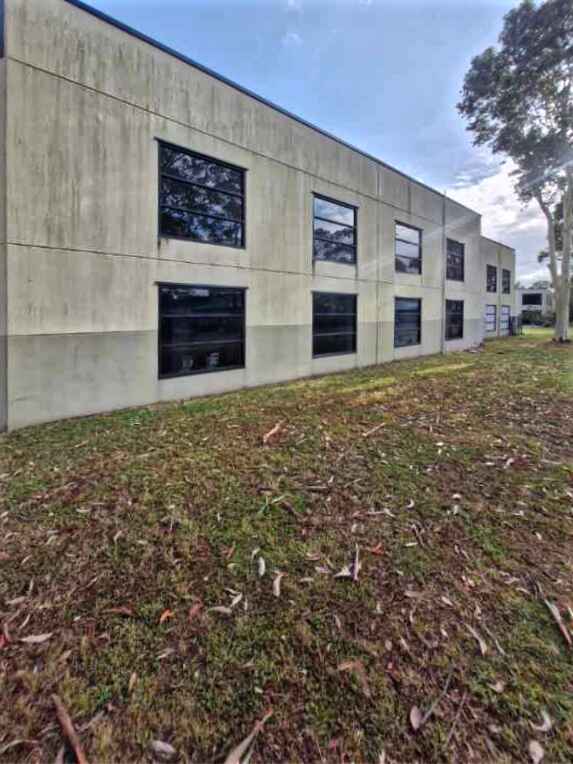
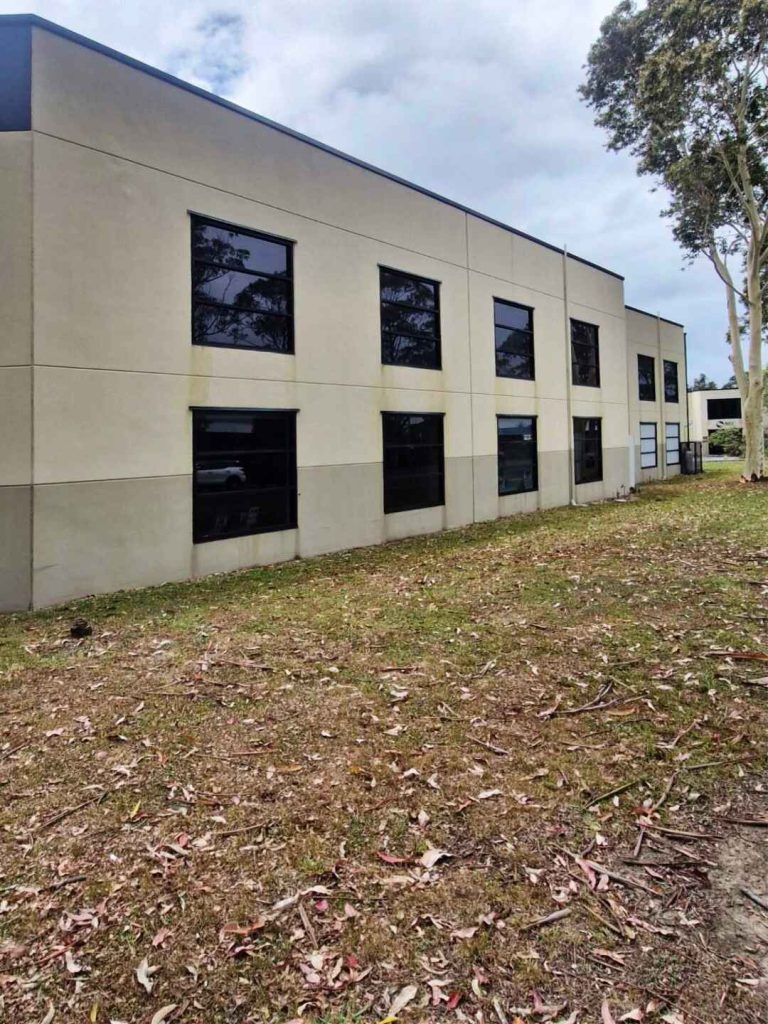
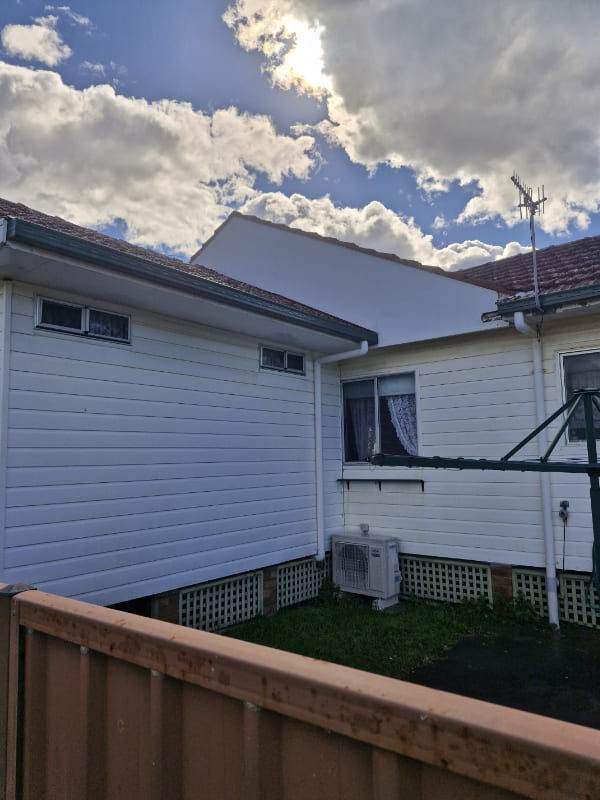
This approach is suitable for common cladding materials found on Central Coast homes, including timber weatherboards, rendered finishes, brick and masonry, fibre cement, and painted metal surfaces. When done correctly, soft washing cleans more thoroughly and helps the cladding stay cleaner for longer.
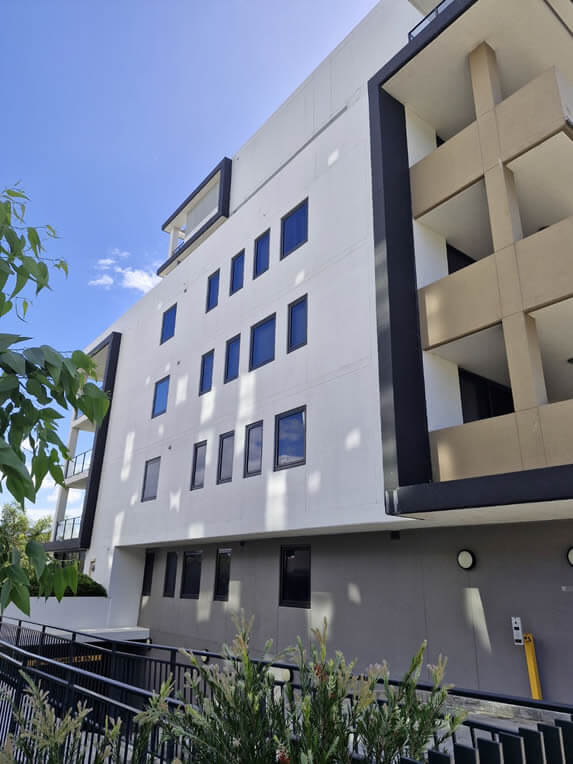
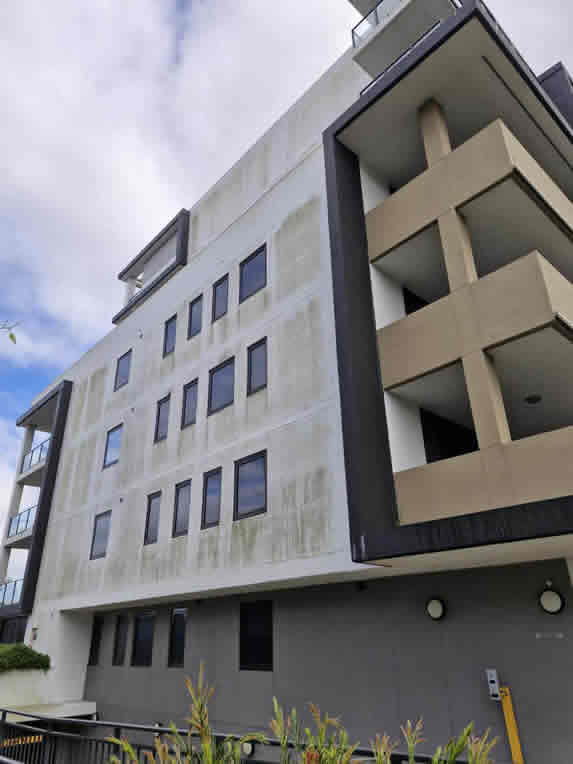
Different Cladding Surfaces We Clean
Not all cladding is the same, and it shouldn’t be cleaned the same way. The material, age of the surface, exposure to weather, and type of buildup all influence how it needs to be treated.
This is where experience matters. Knowing when to adjust products, dwell time, or technique helps achieve a better result without risking damage.
Below are some of the most common cladding surfaces we clean across the Central Coast.
Weatherboard homes
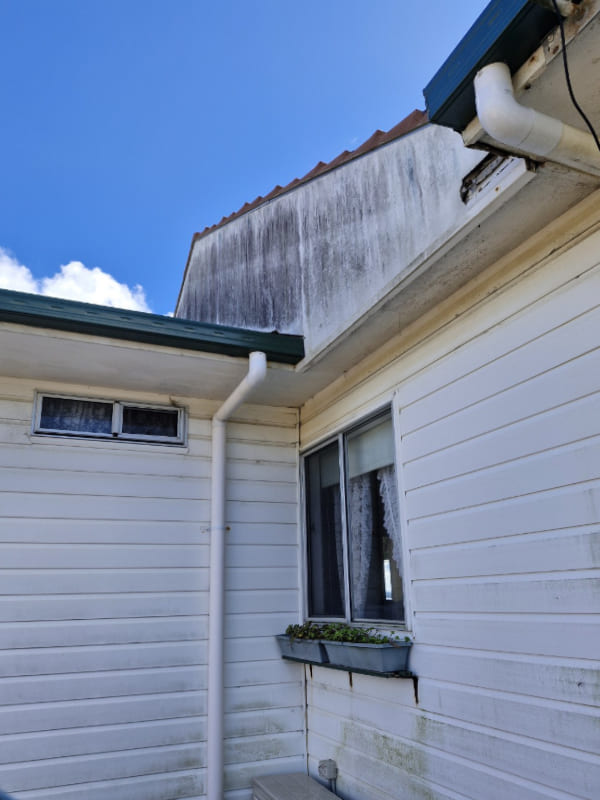
Weatherboards, whether timber or fibre cement, are prone to mould, algae, and general grime, especially in shaded or coastal areas. Soft washing removes buildup without lifting paint or forcing moisture into joints.
Learn More about Weatherboard
Rendered homes
Rendered surfaces can show staining quickly and are easily damaged by high pressure. A controlled soft wash treats organic growth properly while preserving the finish and avoiding surface etching or patchiness.
Brick and masonry
Brick, stone, and masonry are durable but still benefit from low-pressure cleaning when dealing with mould, mildew, or atmospheric staining. Soft washing helps clean deep into the surface without breaking down mortar or leaving uneven results.
How Often Should House Cladding Be Cleaned?
There’s no single schedule that suits every home, but most house cladding benefits from regular cleaning before heavy buildup takes hold.
On the Central Coast, factors like coastal air, humidity, tree cover, and shade can accelerate mould and algae growth. Homes closer to the ocean or surrounded by vegetation often need cleaning more frequently than those in open, well-ventilated areas.
As a general guide, many homes benefit from a professional cladding clean every 12 to 24 months. Waiting until the cladding looks heavily stained can make the job harder and increase the risk of long-term surface damage.
It’s also worth paying attention to early signs that cleaning is needed, such as:
- Green or black staining in shaded areas
- Discolouration under eaves or around joints
- A dull or dirty appearance that doesn’t wash off with rain
Regular soft washing helps prevent these issues from becoming embedded in the surface. It also reduces the need for repainting or repairs, helping the cladding last longer and stay looking well maintained.
Protecting Your Cladding the Right Way
House cladding is designed to protect your home, but it still needs the right care to do its job properly. Cleaning it the wrong way can cause damage that isn’t always obvious straight away, while using the right method helps maintain both its appearance and performance over time.
Soft washing allows cladding to be cleaned thoroughly without unnecessary stress on the surface. It removes organic growth at the source, reduces the chance of rapid regrowth, and helps preserve paint, coatings, and finishes.
At Glason High Pressure Cleaning, our focus is always on choosing the safest and most effective approach for the surface we’re working on. That means adjusting our process to suit the material, the condition of the cladding, and the environment the home is in.
If your cladding is looking tired, stained, or overdue for a clean, a professional assessment can help determine the best way forward. Done properly, cladding cleaning isn’t just about improving how your home looks. It’s about protecting it.
Need your house cladding cleaned properly?
If you’re unsure how to clean your cladding or want it done safely and professionally, Glason High Pressure Cleaning can help. Get in touch for honest advice and a straightforward quote.