
What Homeowners Should Know About Pressure Cleaning Safety
Pressure cleaning is one of the most effective ways to restore outdoor surfaces. Over time, driveways, walls, patios and roofs collect layers of dirt, mould, algae and organic build up that ordinary washing cannot remove.
Because the equipment is powerful, many homeowners naturally ask the same question: is pressure washing safe for a house?
The answer is yes, when it is carried out correctly. Professional exterior cleaning is designed to remove contaminants while protecting the surface underneath. The key is using the correct cleaning method, the right pressure level and appropriate equipment for each material.
Our team at Glason High Pressure Cleaning, carefully assess each surface before starting. This allows them to choose the safest and most effective cleaning method for the job.
When Pressure Washing Is Safe?
Many areas around a home are built from materials that are designed to withstand strong cleaning.
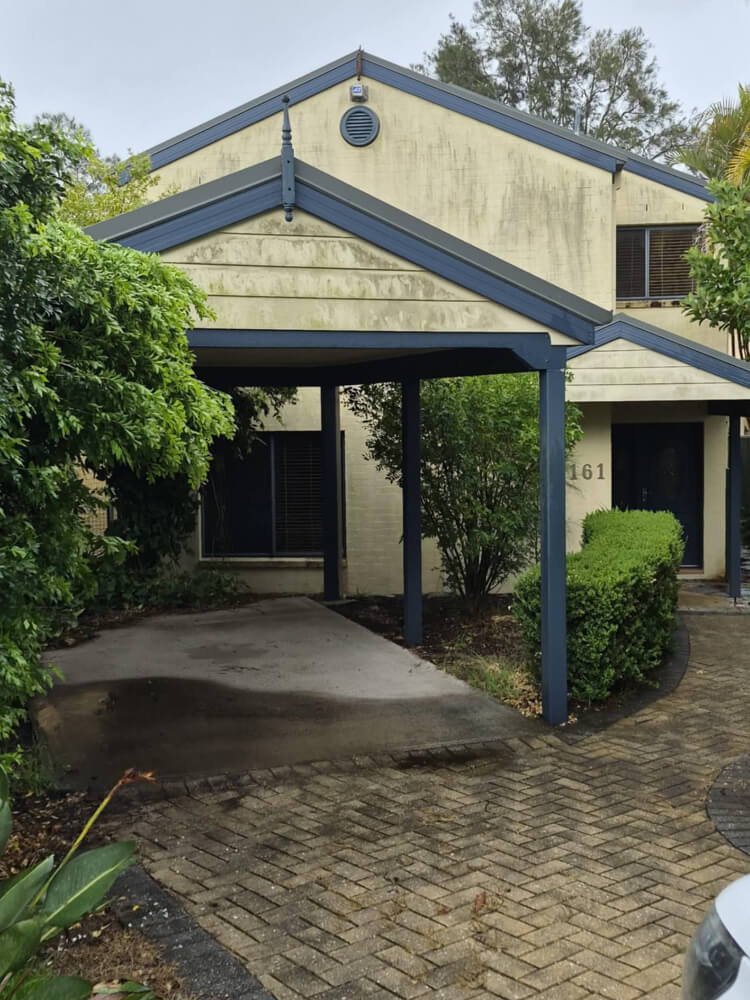
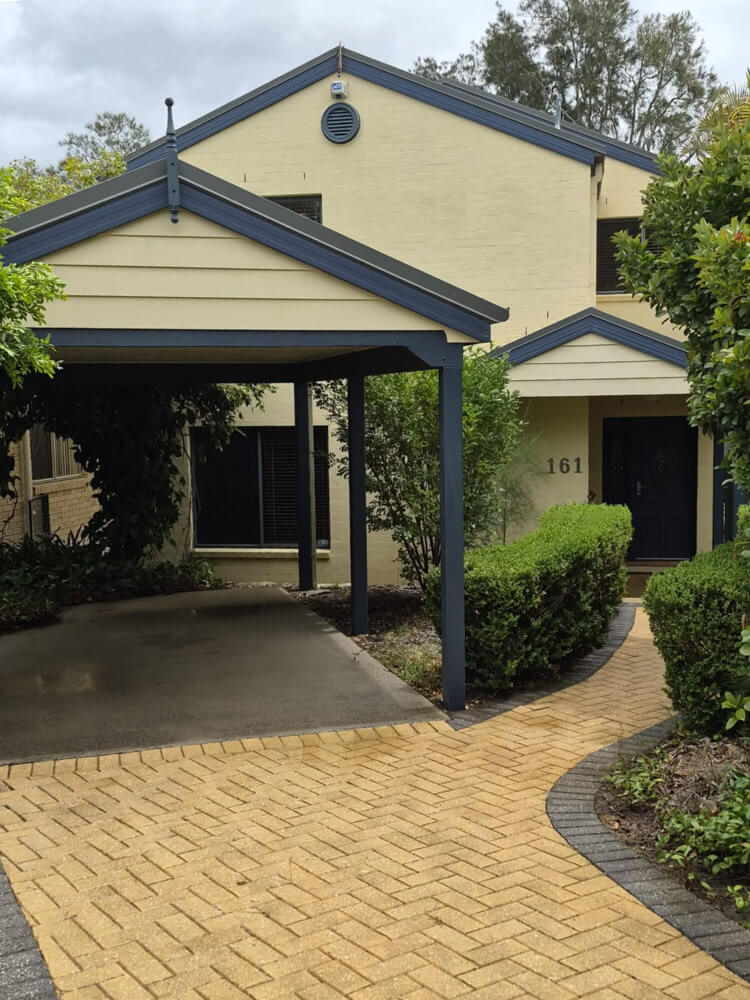
Concrete driveways, brick pathways and paved patios are constantly exposed to weather, vehicle traffic and organic growth. These surfaces naturally collect dirt and dark staining over time.
Pressure cleaning works by breaking down this build up and flushing contaminants out of the small pores within the surface. When the pressure level is properly controlled, these durable materials can be cleaned thoroughly without damage.
For heavily used areas such as driveways or pool surrounds, professional pressure cleaning often restores the original appearance of the surface in a single treatment.
Surfaces That Respond Best to Pressure Cleaning
Some exterior materials handle pressure cleaning extremely well due to their density and durability.
Typical surfaces that are commonly pressure cleaned include:
- Concrete driveways and slabs
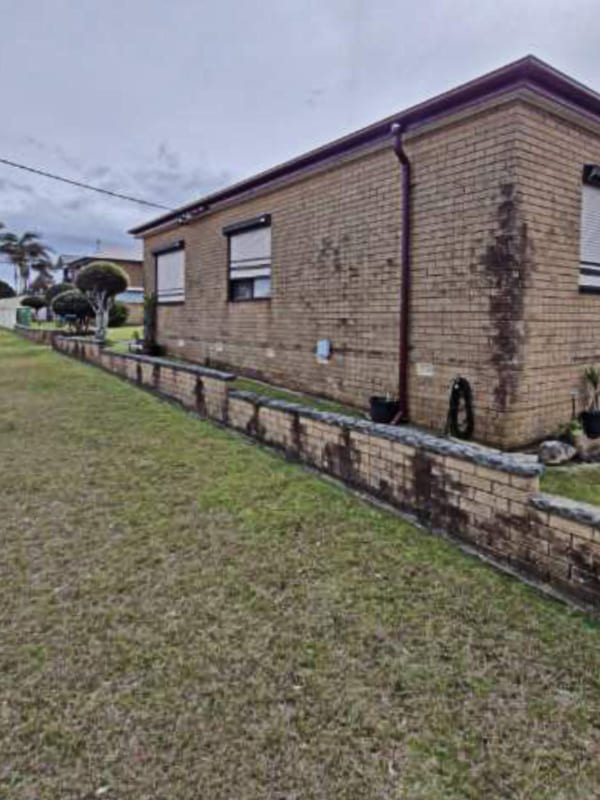
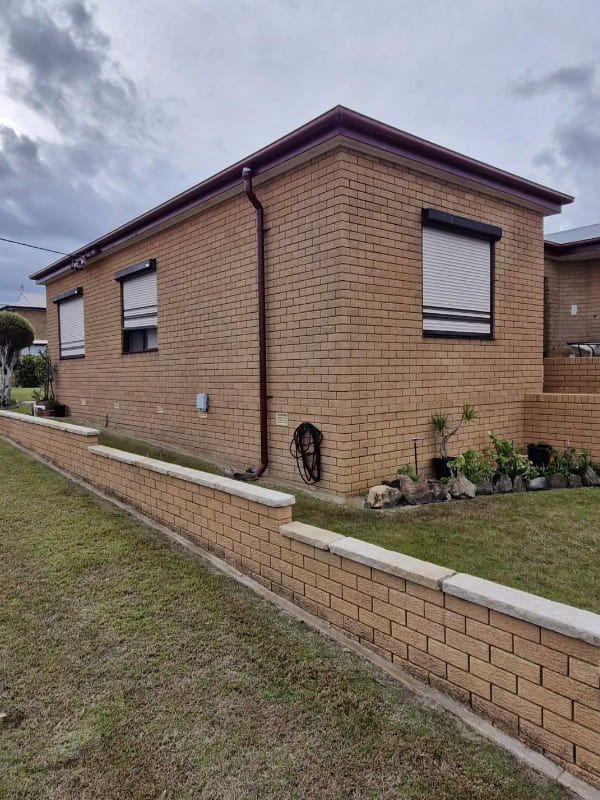
- Brick retaining walls and paths
- Pavers and stone patios
- Outdoor tiled areas
- Garage floors
- Commercial concrete surfaces
These areas often accumulate years of staining from mould, algae, dirt and weather exposure. Pressure cleaning can penetrate the texture of the surface and remove contaminants that basic washing cannot reach.
This is why driveways and outdoor entertaining areas are among the most common areas homeowners choose to have professionally cleaned.
"Trusted by Central Coast locals for 30+ years".
When Soft Washing Is the Better Option
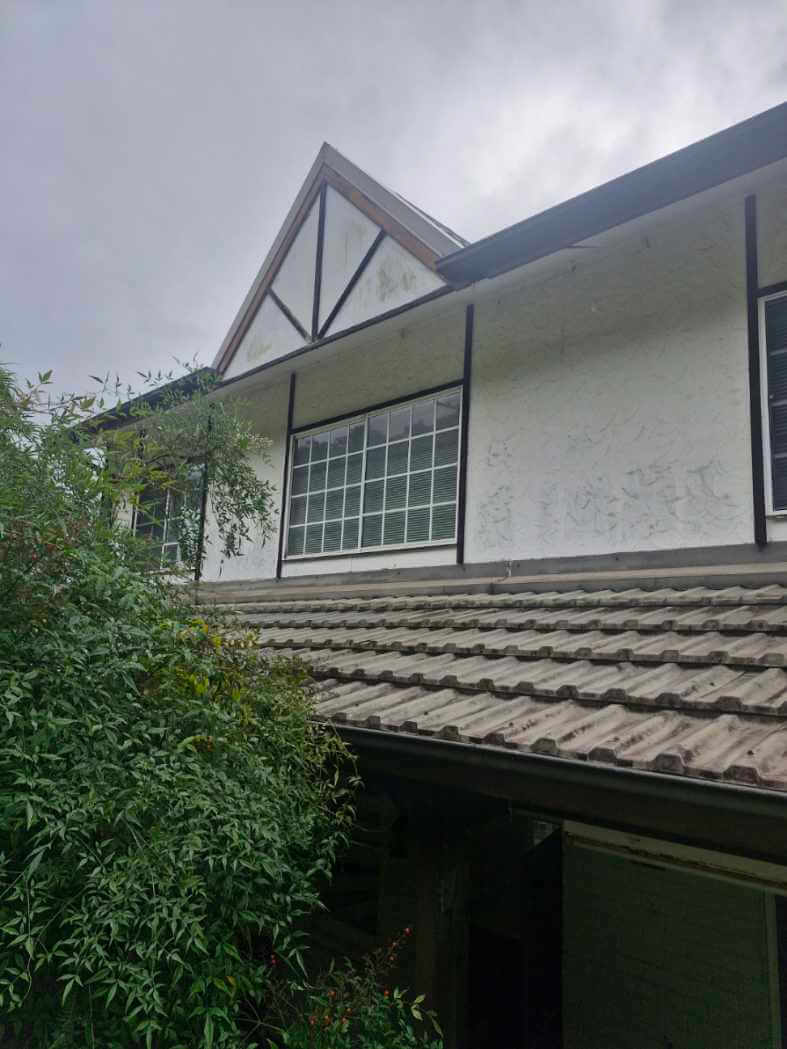
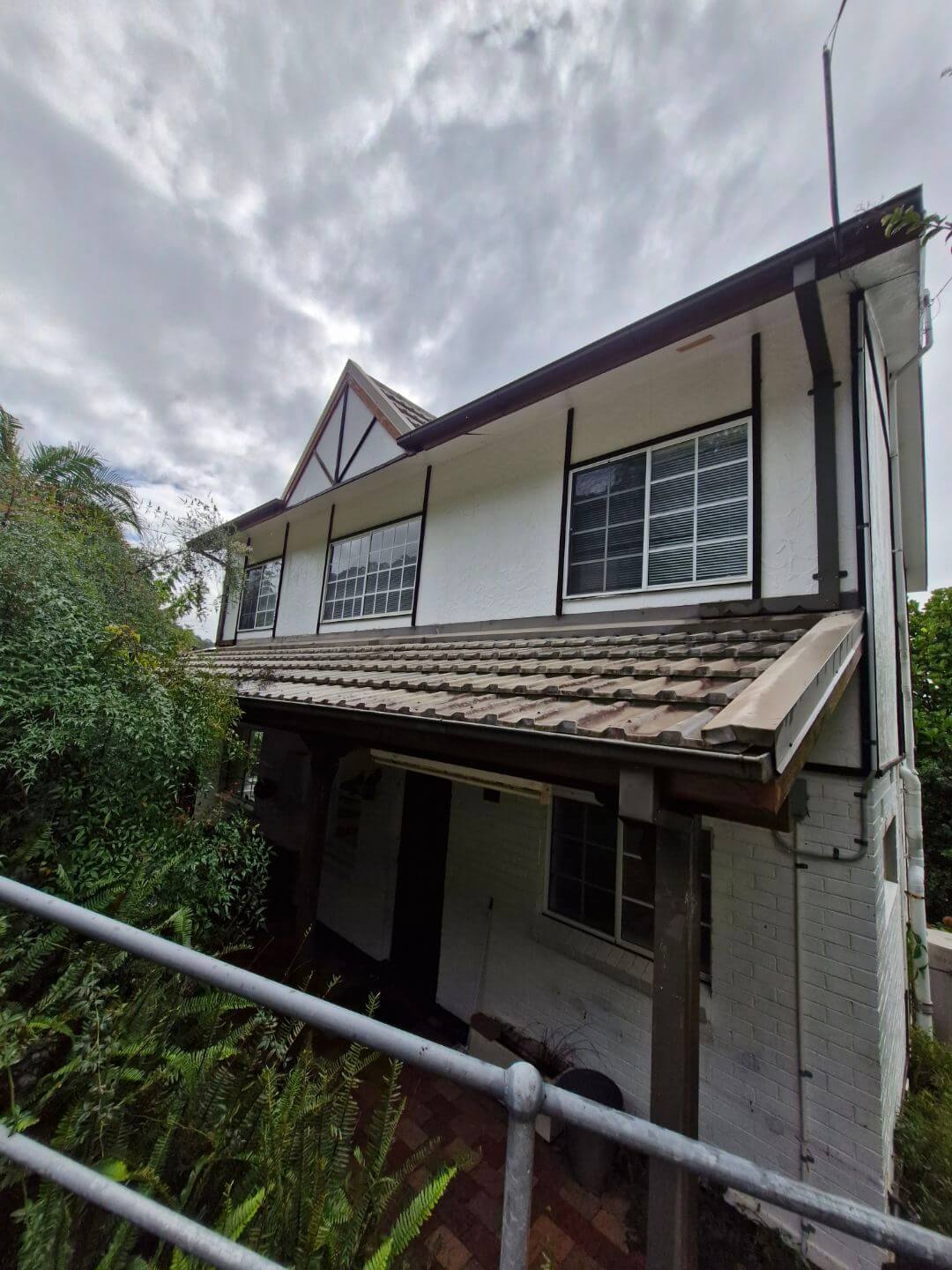
While pressure cleaning is effective for many hard surfaces, some parts of a home require a much gentler approach.
Soft washing uses low pressure combined with specialised cleaning solutions to safely remove organic growth.
This technique is commonly used for more delicate surfaces such as:
- Roof tiles
- Painted surfaces
- House cladding
- Timber features
- Render and weatherboards
Rather than relying on pressure alone, the cleaning solution breaks down mould, algae and grime before the surface is rinsed safely.
If you want to understand the process in more detail, see our blog explaining what soft washing is and how it works.
Can Pressure Washing Damage a House?
Pressure washing can cause damage when it is done incorrectly. This is the reason you employ professionals like our team at Glason to do the work. We have the knowledge, 30+ years of experience and the right equipment to get the job done correctly.
High pressure water can strip paint, damage roof tiles or force water behind cladding if the operator does not adjust the pressure properly. Inexperienced use of a pressure washer can also leave permanent marks on concrete or timber.
Common DIY mistakes include:
- Using excessive pressure
- Holding the nozzle too close to the surface
- Using the wrong nozzle type
- Cleaning delicate materials with high pressure
These mistakes are one of the main reasons homeowners choose professional cleaning services. Experienced operators understand how to control pressure levels and adjust their technique depending on the material being cleaned.
Professional Equipment Makes a Big Difference
Professional pressure cleaning involves specialised equipment designed to safely clean large areas without damaging the surface.
Commercial machines allow operators to carefully control water pressure, flow rate and spray patterns. This level of control is essential when working across different materials around a property.
For example, large flat areas such as driveways are often cleaned using surface cleaner attachments. These tools distribute pressure evenly across the surface and prevent streaking.
Professional equipment also allows cleaners to treat mould and algae at the source rather than simply washing it away.
At Glason High Pressure Cleaning, commercial grade equipment and proven techniques are used to restore exterior surfaces while protecting surrounding materials.
Why Exterior Surfaces on the Central Coast Need Regular Cleaning
Homes on the Central Coast are exposed to conditions that encourage organic growth.
Coastal moisture, salt air and shaded areas around properties create the perfect environment for mould, algae and lichen to develop on outdoor surfaces. These contaminants can quickly spread across driveways, roofs and exterior walls if they are not removed.
This is why many properties in the region benefit from periodic exterior cleaning. Removing organic growth early prevents long term staining and helps protect the surfaces themselves.
Benefits of Professional Exterior Cleaning
Keeping exterior surfaces clean is about more than appearance.
Professional pressure cleaning helps maintain the condition of outdoor areas and removes contaminants that can become slippery or damaging over time.
Some of the main benefits include:
- Restoring the appearance of driveways and outdoor areas
- Removing mould, algae and organic growth
- Reducing slippery surfaces around the home
- Protecting surfaces from long term staining
- Improving the overall presentation of the property
For many homeowners, a professional exterior clean can make the entire home look significantly newer and better maintained.
Read our blog on the benefits of residential pressure cleaning.
Frequently Asked Questions About Pressure Cleaning


